
If there’s one thing homeowners have learned over the past several years, it’s that energy costs don’t always stay predictable. Fuel prices can rise and fall with global markets, and electricity rates can change as utilities respond to shifting energy costs, infrastructure investments, and other factors.
Solar offers another option: producing your own electricity and reducing your dependence on the utility grid.
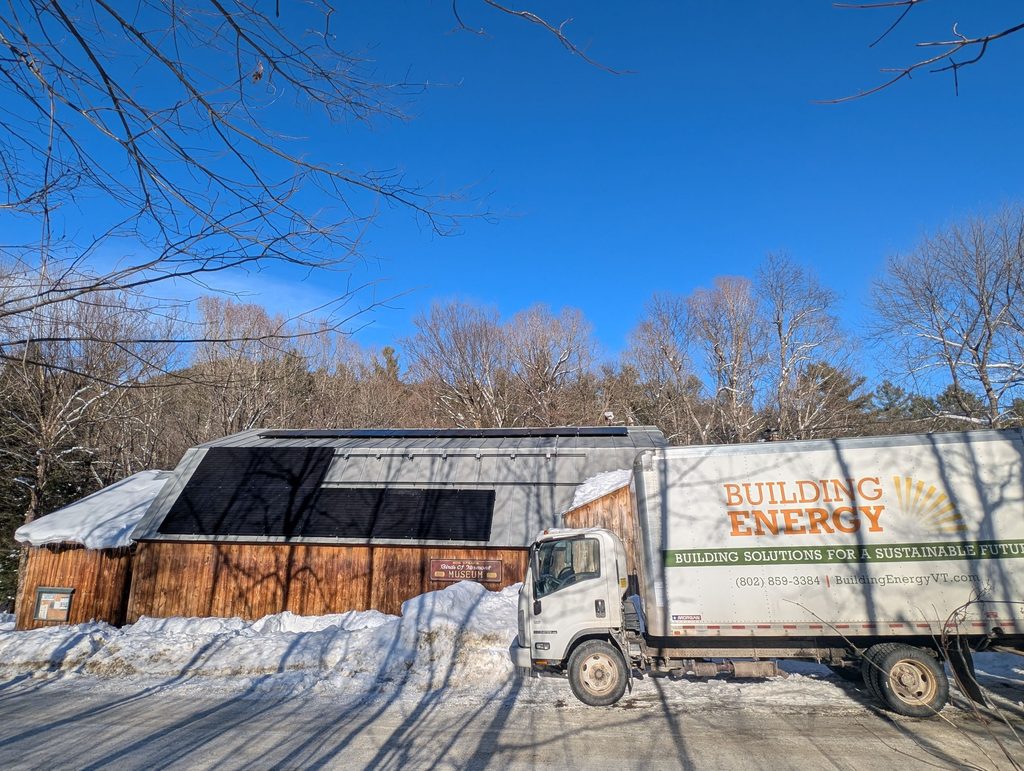
While no one can control exactly what energy prices will look like five, ten, or twenty years from now, there is one thing homeowners can do: take more control over where their energy comes from. That’s what will make energy costs more predictable for each homeowner, and one of the reasons solar continues to make sense for more Vermonters.
Stop relying entirely on energy you have to buy
Most homes depend on the utility grid for their electricity. Every month, you pay for the electricity your household uses at the current utility rate. Those rates aren’t necessarily fixed. As mentioned above; utility costs can change over time due to a variety of factors, including energy markets, infrastructure investments, and other costs associated with delivering electricity.
The same uncertainty applies to heating fuels. Vermont homeowners who rely on propane or heating oil are exposed to fuel prices that can rise and fall from year to year. Instead of purchasing all of your electricity from the grid, your solar array produces electricity from sunlight and can reduce the amount of electricity you need to buy over time.
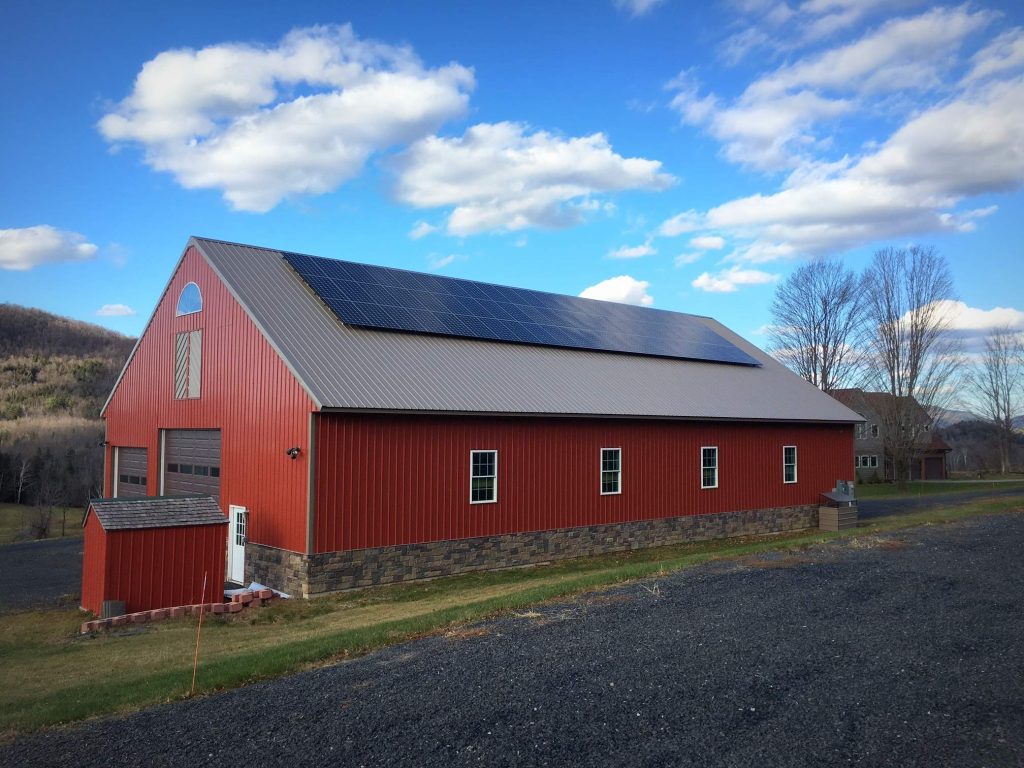
Your solar investment is more predictable than future energy prices
Installing solar requires an upfront investment, but the sun itself doesn’t send you a monthly bill. Once your system is installed, your panels can continue producing electricity for many years with relatively little ongoing maintenance. While your actual savings will depend on your system, electricity use, utility rates, and other factors, generating your own electricity can provide a greater degree of predictability than simply accepting whatever future utility rates may be.
Think of it this way:
You can’t control what electricity will cost in 10 years. You can control whether your home is producing some of its own electricity. That’s an important distinction when you’re making a long-term investment in your home.
Vermont is a great place for solar
Vermont’s long summer days provide plenty of sunlight for solar production, and modern solar panels are designed to generate electricity even in less-than-perfect conditions. Here’s a fun fact: Solar panels actually operate more efficiently in colder temperatures.

Photovoltaic panels are electronic devices, and like many electronics, they become less efficient as temperatures rise. Research from the National Renewable Energy Laboratory shows that panel output decreases as module temperatures increase. That means a bright, crisp Vermont winter day can provide excellent conditions for solar production. The challenge isn’t necessarily the cold—it’s the combination of shorter daylight hours, lower sun angles, clouds, and snow.
Researchers at the University of Vermont have specifically studied how Vermont’s cold and snowy conditions affect solar panels, noting that cold, sunny winter days can provide strong solar production when the panels aren’t covered by snow.
That’s why a properly designed system and realistic expectations for Vermont’s climate matters. At Building Energy, we look at your home, your roof, your electricity usage, and your goals to determine what makes sense for your property—not simply how many panels we can fit on the roof. With proper system design, solar can continue generating clean electricity through every season—including the cold, snowy months. During the longer, sunnier days of spring and summer, your system can produce significantly more electricity. During the shorter days of late fall and winter, production decreases.
This seasonal pattern is completely normal.
For Vermont homeowners participating in net metering, excess electricity generated by a solar array can provide credits that help offset electricity used during periods when the system isn’t producing as much. Under Vermont’s net-metering structure, credits can be carried forward to offset future electricity use, making the annual picture much more important than what happens during any single month.
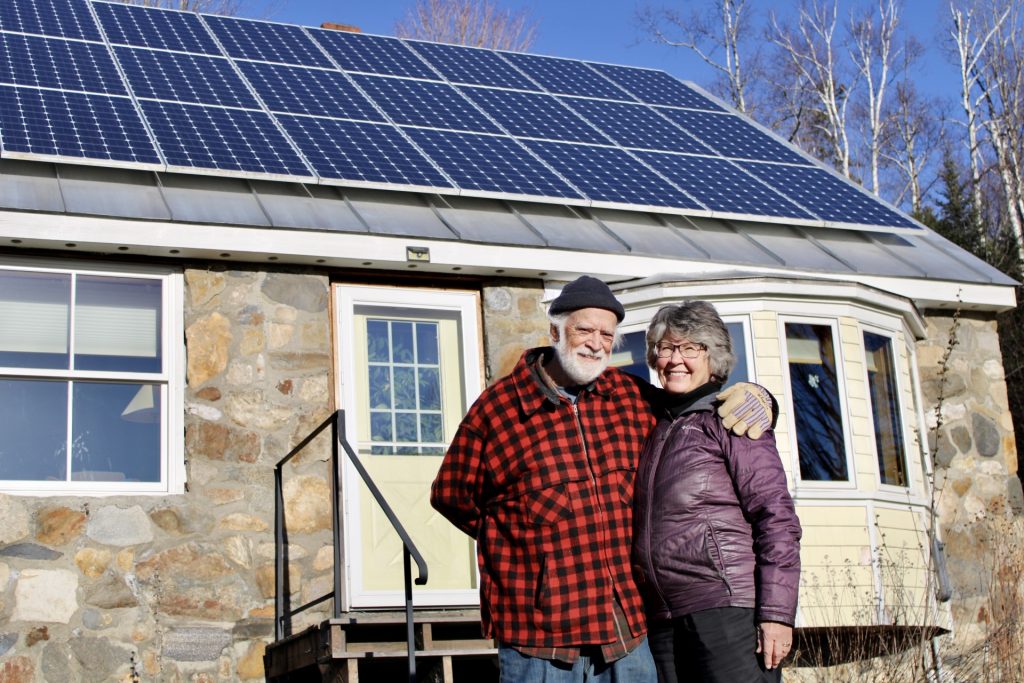
Solar can be part of a bigger energy strategy
For many Vermont homeowners, solar isn’t about one technology in isolation. It’s about looking at the home as a whole.
Solar can work alongside energy-efficiency improvements, heat pumps, and battery storage to help reduce reliance on purchased energy and fossil fuels.
For example, several homeowners who are Building Energy customers raved about their newfound comfort and money savings, when they started by improving the home’s insulation and air sealing, then added heat pumps to reduce reliance on oil or propane and eventually added solar to offset a portion of the home’s electricity use.
Battery storage can add another piece to the puzzle by storing electricity for later use and, depending on the system and utility program, providing backup power during an outage.
The goal isn’t simply to put solar panels on your roof. It’s to create a smarter, more efficient energy system for your home.
Think about the next 20 years—not just the next electric bill

A solar system is a long-term investment in your home. Your electricity needs may change. You may add an electric vehicle, switch to heat pumps, or simply find yourself using more electricity as your home evolves. At the same time, utility rates will continue to change.
No one can promise exactly what those rates will be in the future.What you can do is make a decision today that gives you more control over a portion of your future energy costs.
Solar won’t make you completely independent from the grid, but it can help you become less dependent on it.
And for Vermont homeowners who are thinking about energy costs, sustainability, and the long-term value of their home, that’s worth considering. The future cost of electricity isn’t something you can control. How much of your own electricity you produce is.
Ready to see if solar makes sense for your home?
At Building Energy, we’ve been helping Vermont homeowners make smarter energy decisions for nearly two decades. We don’t believe solar should be a one-size-fits-all solution. The right system depends on your home, your energy use, your property, and your goals.
If you’re curious about how much electricity your home could produce—or how solar could fit into a larger plan for your home’s energy future—we’d be happy to take a look! Contact Us Here! Or call us at (802) 859-3384. You may also email us at [email protected]