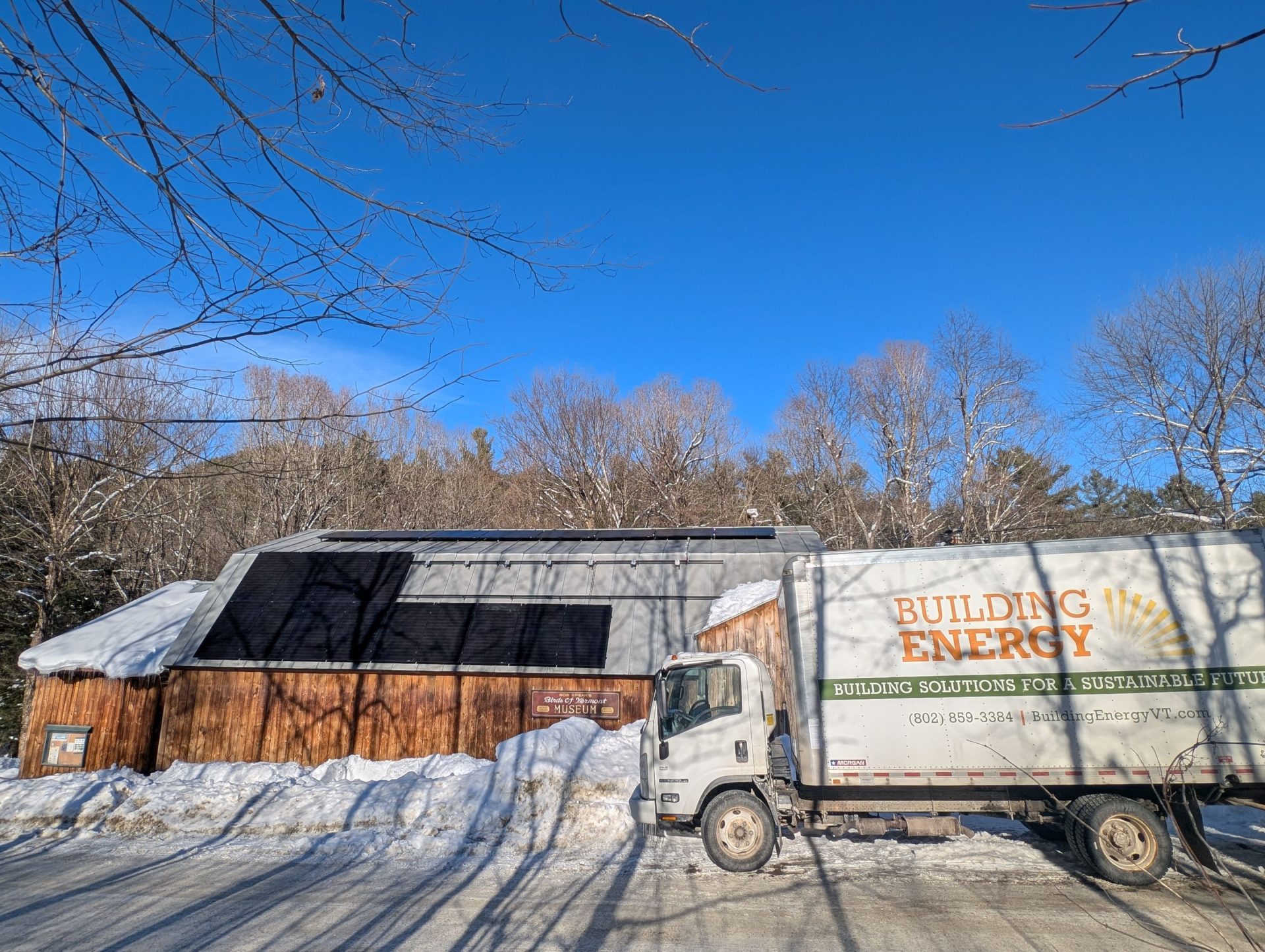
The path toward a more energy-efficient future for Birds of Vermont began with a simple meeting and a conversation about potential renewable energy possibilities. What started as a discussion about heating improvements, gradually expanded into a larger project—one that incorporated cold climate heat pumps and solar power to the museum’s roof.
Beginning with Heat Pump Planning
The first step in the process focused on replacing the museum’s heating system with energy efficient Cold Climate Heat Pumps. After an initial meeting at the museum, budgetary proposals were developed for two Mitsubishi Cold Climate heat pump systems to provide efficient heating and cooling throughout the building. The Museum Director, Erin Talmage stated the overall goal was to become more energy
efficient and reduce the Museum’s overall carbon footprint.
“We completed the first step toward these goals last year. The Vermont Arts Council, Community Foundation of SE Michigan, and Building Energy made it possible to install two heat pumps. These enable
heating and cooling as needed throughout the year, and moderate indoor humidity during the summer. The indoor climate is now much better for artwork, the carvings, and people.”
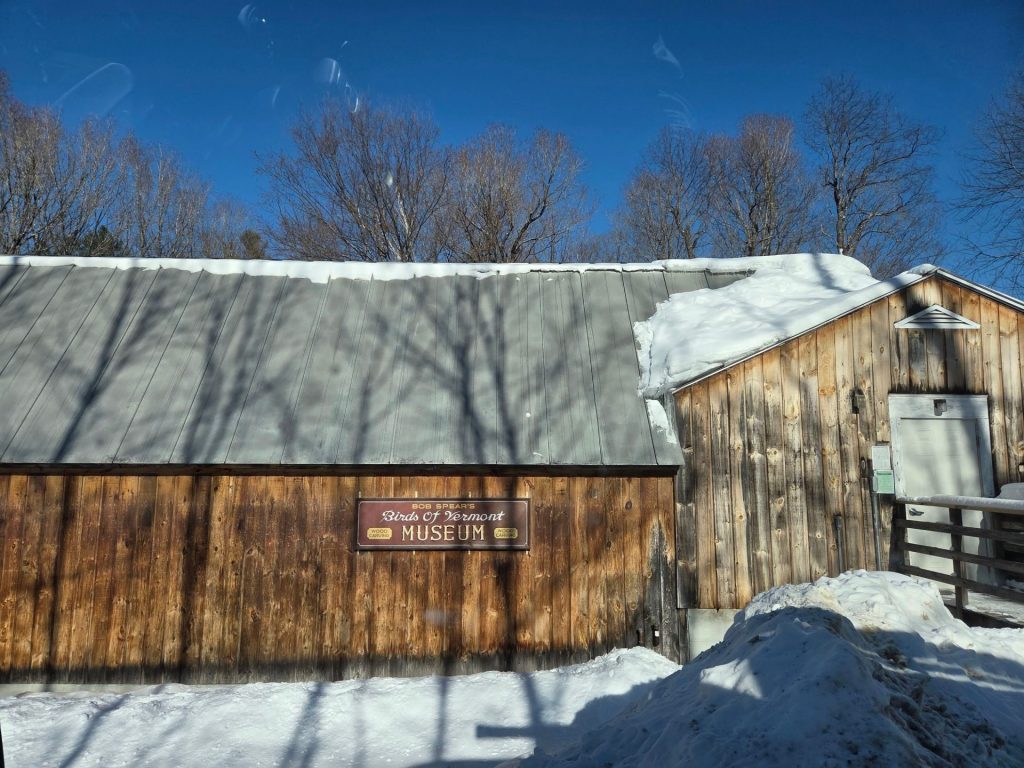
Building Energy installed two Mitsubishi Cold Climate Heat Pump Systems designed to ensure consistent performance throughout Vermont’s heating and cooling seasons. Each system included a 30,000 BTU multi-zone outdoor unit, with 2 wall-mounted indoor units, and one floor-mounted indoor unit for a total of 6 strategically placed indoor units to circulate heat and air throughout the Museum efficiently. The museum also began evaluating how future energy use might change. In 2024, the building used approximately 920 gallons of propane, and the addition of heat pumps would shift some of that energy demand to electricity—especially since the heat pumps would also be used for cooling and humidity control during warmer months. This made it increasingly clear that thinking about electricity generation would be an important next step.
Exploring Solar Power
With the potential increase in electricity use from heat pumps, the conversation naturally expanded to solar power.
A preliminary solar design and estimate were prepared to help the museum understand what a solar system could provide. The early proposal showed that a solar array could generate roughly 8.2 megawatt-hours (MWh) of electricity per year, offsetting a meaningful portion of the museum’s annual energy consumption. Removing a few nearby shade trees could further improve the production estimate. Erin said:
“Putting solar panels on the roof of the Birds of Vermont museum is the second step toward our goals of being more energy efficient, supporting renewable energy, and reducing our carbon footprint.”
To support the museum’s financial planning, a detailed cash-flow model was also created. In addition to the environmental benefits, the system appeared to be a solid financial investment.
Another key factor helping make the project feasible was the Inflation Reduction Act, which allows nonprofit organizations to benefit from the federal 30% clean energy tax credit through a “direct pay” option. This policy opened the door for institutions like museums to invest in renewable energy in ways that previously were not possible.
Studying the Building Structure
Before moving forward, engineers needed to confirm that the museum building could safely support the weight of a solar array. This required documenting the structural details of the Birds of Vermont building.
Drawings were prepared to show the roof framing system, and additional site visits were arranged to gather precise measurements. Even historical documentation became useful. These observations helped engineers evaluate whether the roof structure could safely support the solar system.
Adjusting Solar Design
During the engineering review, it became clear that some adjustments would be necessary. The rafters on a section of the upper roof were not rated to carry the full load of the originally proposed number of panels. To address this, the design was modified and the number of panels in that location was reduced.
Meanwhile, the museum’s leadership continued reviewing system options. Initially considering a mid-sized design with 40 panels, the board eventually approved a larger system capable of offsetting approximately 20,000 kilowatt-hours of electricity per year, aligning with the museum’s long-term energy goals.
Utility Coordination and Preparation
As plans moved closer to installation, coordination with the local utility revealed another requirement.
The existing transformer serving the museum had a capacity of 15 KVA, which was not sufficient for the proposed 20-kilowatt solar system. The utility recommended upgrading the transformer. Once the museum confirmed it wished to proceed with the upgrade, the project was cleared to move forward.
Installation Begins
Installation work officially began in early February 2025, when the solar crew arrived to start construction. The inverters for the system were mounted on the east wall of the workshop building, while the team coordinated with museum staff on access to the building’s network so the system’s monitoring equipment could be connected. With these items sorted out, the installation progressed smoothly.
Final Inspections and Turning the System On
Once the panels were installed, the project entered its final stage. Several inspections were conducted to close out the building and electrical permits. Minor adjustments were made to the standing seam roof to ensure long-term weatherproofing and leak prevention.
After the inspections were completed and approved, the final paperwork was submitted to the utility, including the Energize Permit and a request for a gross production meter.
Within a few days, the utility installed the production meter—without interrupting power to the museum. Once that meter was in place, the system automatically activated.
At that moment, the museum officially began generating its own electricity.
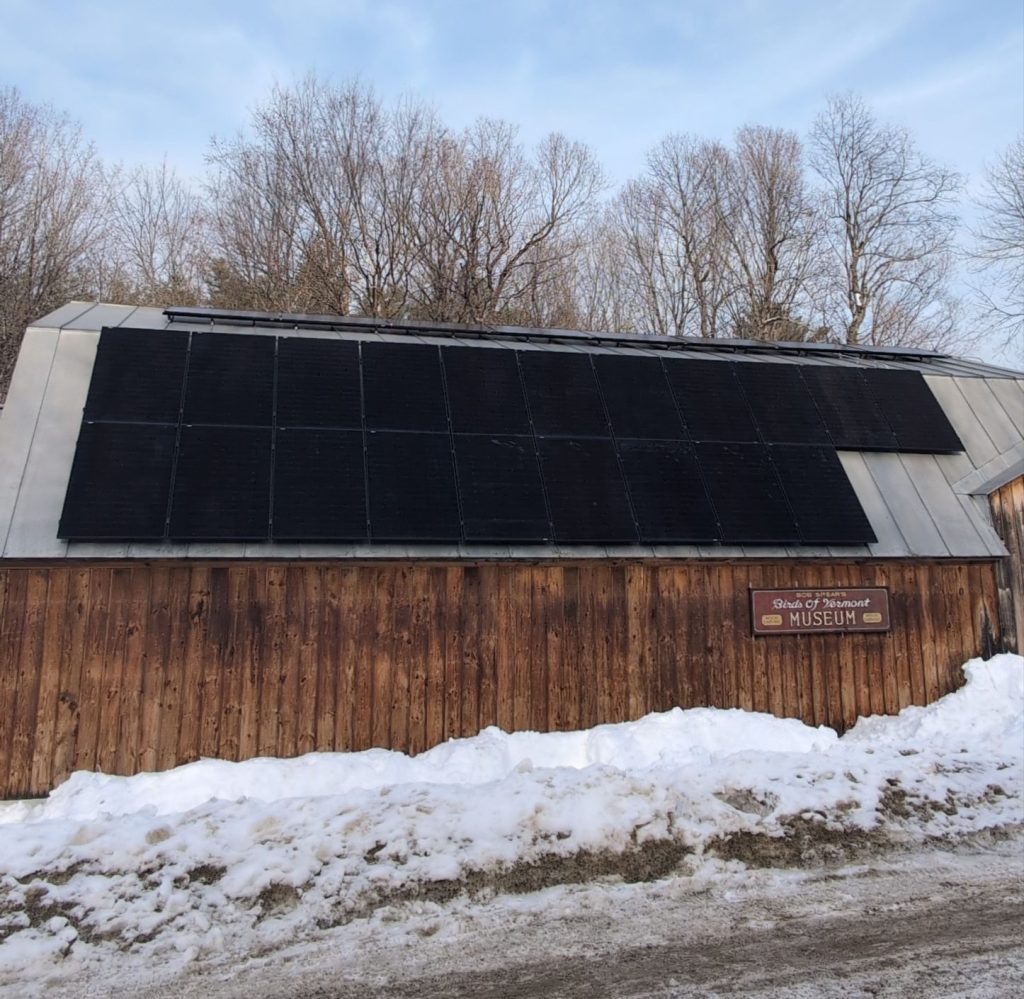
A Roof Full of Sunshine
What began as a conversation about improving heating efficiency ultimately grew into a comprehensive clean-energy project. By pairing efficient heat pumps with a solar energy system designed to offset much of the building’s electricity use, the museum has taken a significant step toward reducing both energy costs and environmental impact.
Now, when the sun shines on the museum’s roof, it’s doing more than lighting the building, it’s powering it. Erin Talmage said:
“The second step, adding photovoltaics (to more efficiently power those heat pumps, among other benefits), was finished this week! Thanks again to our fantastic community, donors, the Vermont Arts Council, and Building Energy for helping us become better stewards of art, the climate, and our community.”