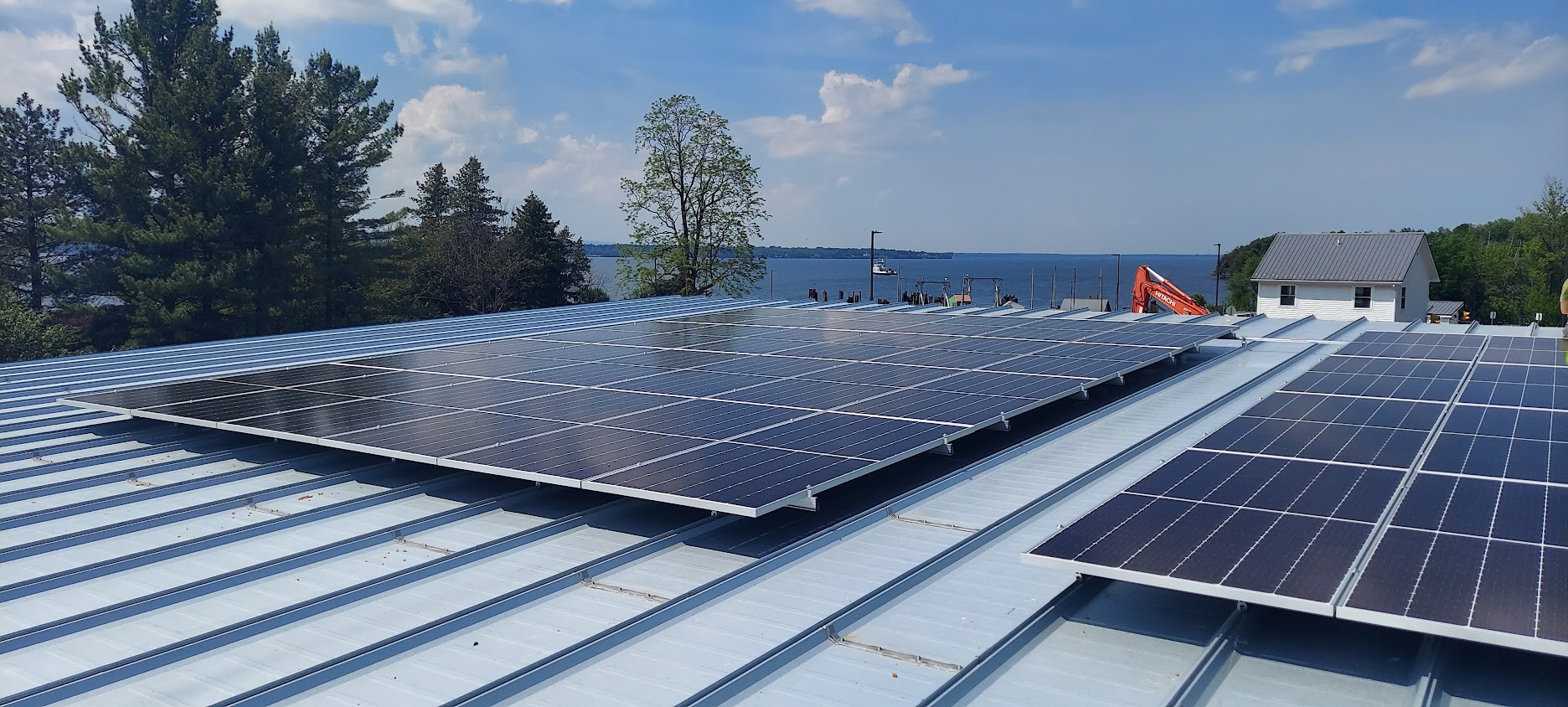
If you have been following the solar policy headlines since the ball dropped on New Year’s Eve, you likely have one big question: “Is the 30% tax credit actually gone?“
The answer is complex. For homeowners looking to buy panels, the door has unfortunately closed. But for businesses, non-profits, and homeowners willing to lease solar panels, the window of opportunity is not only open—it is wider than ever.
Here is the breakdown of where we stand in the new tax landscape of 2026.
The Residential Cliff: Moving Beyond the ITC
As of December 31, 2025, the Residential Clean Energy Credit (Section 25D) has officially sunset. For years, this was the driving force behind rooftop solar adoption, allowing homeowners to claim 30% of their system cost against their federal income tax.
With that incentive off the table, the residential purchase market is shifting toward a model based purely on energy savings, storage resilience, and utility rate mitigation.
The “Leasing Loophole” (Section 48E)
However, there is a critical exception that has kept the residential market alive, albeit in a different form. It’s often called the Third-Party Ownership provision.
Under the new technology-neutral Section 48E tax code, businesses can still claim a 30% credit for clean electricity projects. This includes solar installers and financing companies.
What this means for homeowners: You can no longer claim the credit yourself if you buy the system. But, if you lease the system or sign a Power Purchase Agreement (PPA), the solar financing company technically owns the assets. They claim the 30% commercial credit, and they can pass those savings on to you in the form of lower monthly lease payments.
It requires a mindset shift from owning to hosting, but for many families, it is now the only way to capture federal incentive value.
The Commercial Exception (and Why Churches Win)
For businesses and organizations that do want to own their systems, the news is even better. The commercial incentives are still in full force for 2026.
This creates a unique market divergence. While a homeowner buying panels today gets $0 in federal credits, a business or organization installing the exact same panels next door still gets 30% of the project cost covered by the federal government.
While commercial credits are strong, new deadlines for ‘Beginning Construction’ loom in July 2026. We advise business owners to start the conversation in Q1 to lock in their eligibility.
The Direct Pay Game Changer for Non-Profits
The most critical piece of this puzzle for our institutional clients isn’t just that the credit exists—it’s how it is delivered.
Historically, non-profits like churches, schools, and charities were left out of the solar conversation. Because they are tax-exempt, a tax credit was useless to them.
That is no longer the case.
Under the current “Direct Pay” (or Elective Pay) provisions, tax-exempt organizations can now treat the Section 48 credit as an overpayment of taxes. Practically speaking, this means the IRS will refund the 30% credit value directly to the non-profit as a cash payment, regardless of tax liability. However, this refund is not automatic: organizations must complete a mandatory ‘Pre-filing Registration’ with the IRS to validate the project before they can claim the funds.”
The Bottom Line for 2026
We are advising our clients to view 2026 as a year of specific strategies:
- Homeowners: If you want the tax credit value, look at leasing (TPO) options. If you want ownership, look at the pure energy savings ROI.
- Non-Profits: You are currently in a privileged asset class. You have access to a 30% direct cash payment that is no longer available to the residential market.
The headlines saying “Solar Credits Are Dead” are only half true. For the commercial, non-profit, and third-party-owned sectors, the sun is shining as bright as ever.
Ready to evaluate your facility? Curious if a solar lease is right for your home?
We specialize in custom-designed solar systems for home and small businesses. We can help navigate the leasing options and Section 48 Direct Pay filings. Contact us to send in your address & a rough estimate of the annual electric usage and we’ll show you how solar can work for you.