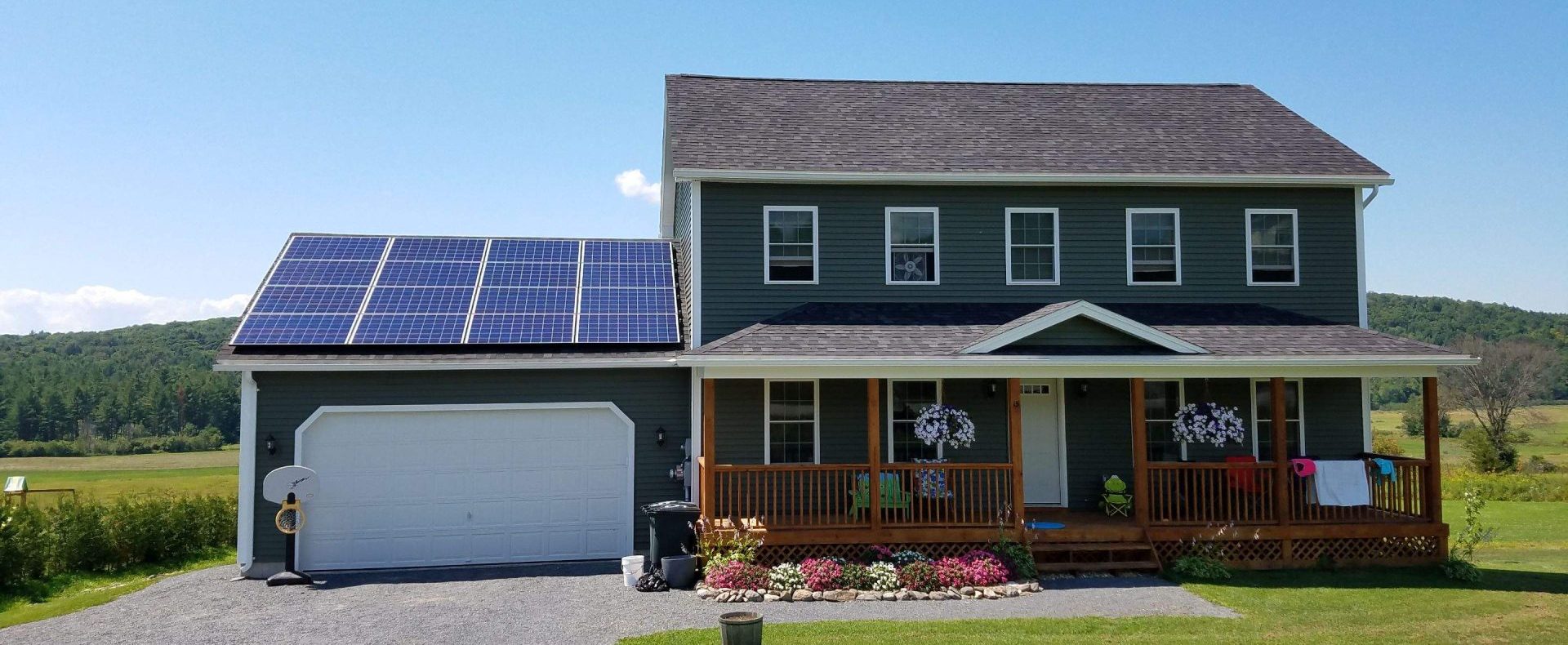
Seasonal maintenance keeps your solar system producing at full capacity and catches small issues before they become expensive repairs. Here’s what to do after winter:
1. Check Your Monitoring Portal
Log into your inverter’s monitoring app or web portal and review system output for the past 30 days. Look for error codes, warning alerts, or any days where production dropped unexpectedly. Most major inverter brands — SolarEdge, Enphase, Solis, and others — have free monitoring tools that make this straightforward. If you see alerts you don’t recognize, call your installer before assuming it’s a false alarm.
2. Compare Output to Last Year
Pull your production data from the same period last spring. A 10-15% or greater unexplained drop in output warrants a closer look. Minor variation is normal; sustained underperformance is not.
3. Inspect Panels from the Ground
Walk the perimeter of your array from ground level and look for:
- Cracked or discolored panels
- Bent frames or indentations from heavy snow loads
- Debris accumulation: leaves, pollen, bird droppings, dirt
- Visible nesting material around or under the array
Do not get on the roof for a routine visual check. If something looks wrong from the ground, contact a professional.
4. Clear Debris and Check for Critter Activity
Trim any branches or vegetation that have grown into the shade footprint of your array since last season. Squirrels and other small animals frequently nest under roof-mounted panels and chew through wiring. Look for droppings, nesting material, or damaged critter guard mesh along the array perimeter. This is one of the most common causes of unexplained output loss and intermittent faults.
5. Clean Panels if Needed
In most Vermont locations, seasonal rain handles routine cleaning. If you have visible soiling or live near a dusty road, clean panels with a standard garden hose using low pressure. Rinse in the early morning or evening when panels are cool.
Do not use:
- Pressure washers (damages frame seals, voids some warranties)
- Abrasive brushes or scouring pads
- Harsh soaps or detergents
If ground-level rinsing isn’t sufficient, contact a professional for safe roof access and cleaning.
When to Call Your Installer
Contact Building Energy if you notice any of the following:
- Active error codes or alerts in your monitoring portal
- Sustained output drop compared to the same period last year
- Physical damage to panels, racking, or wiring
- Evidence of critter intrusion or damaged critter guard
- Any work that requires roof access
We offer maintenance visits and can assess whether your system needs cleaning, repairs, or a full inspection. Reach us at 802-859-3384 or [email protected].