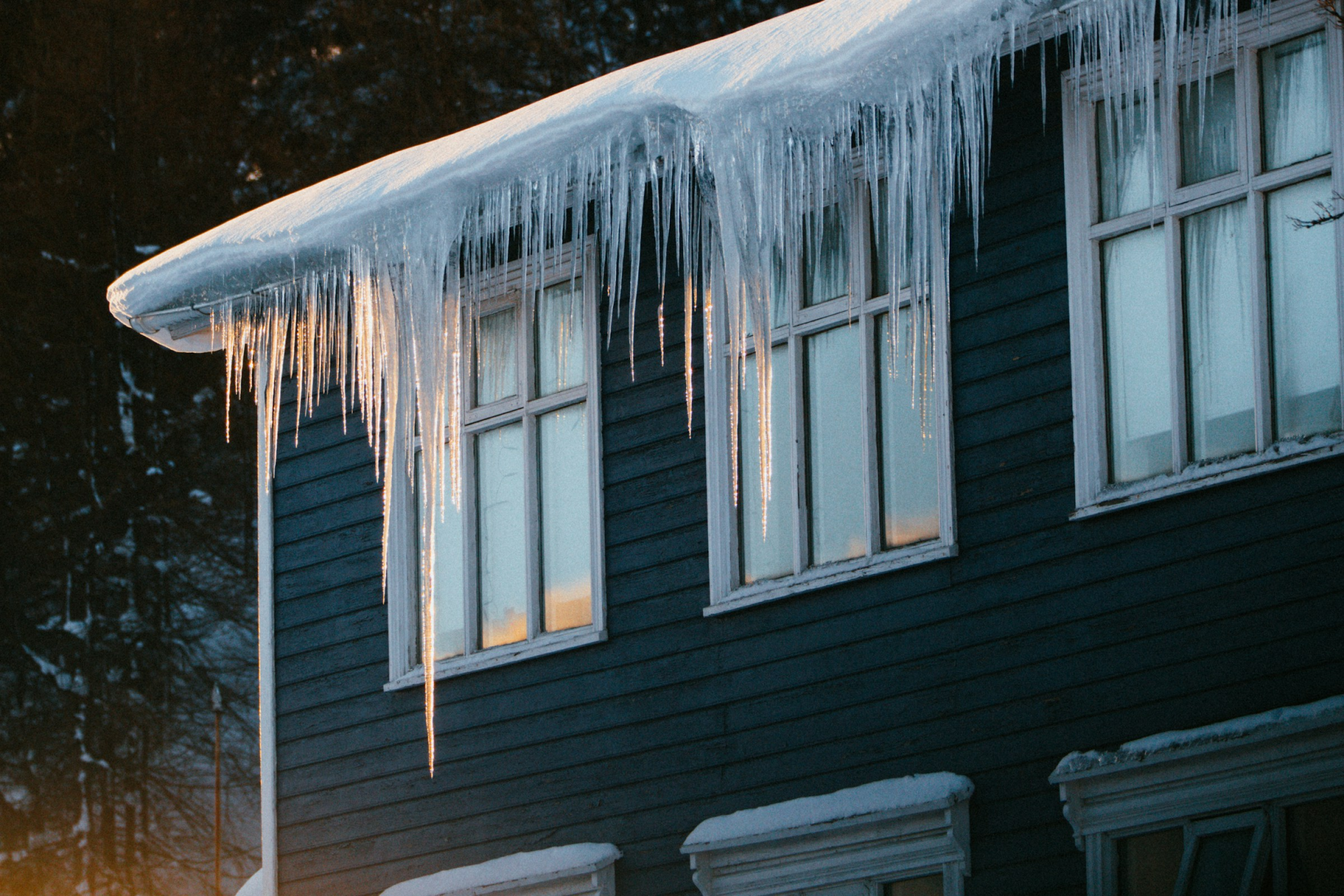
In Vermont, winter isn’t just a season — it’s a test of your home. Heavy snowfall, prolonged sub-freezing temperatures, and frequent freeze-thaw cycles create ideal conditions for massive icicles and destructive ice dams.
Those long, thick icicles hanging from your roof might look charming against a snowy Vermont backdrop. But in reality, they’re often a warning sign that your home is losing heat — and money.
The good news? The real solution isn’t on your roof. It’s in your attic.
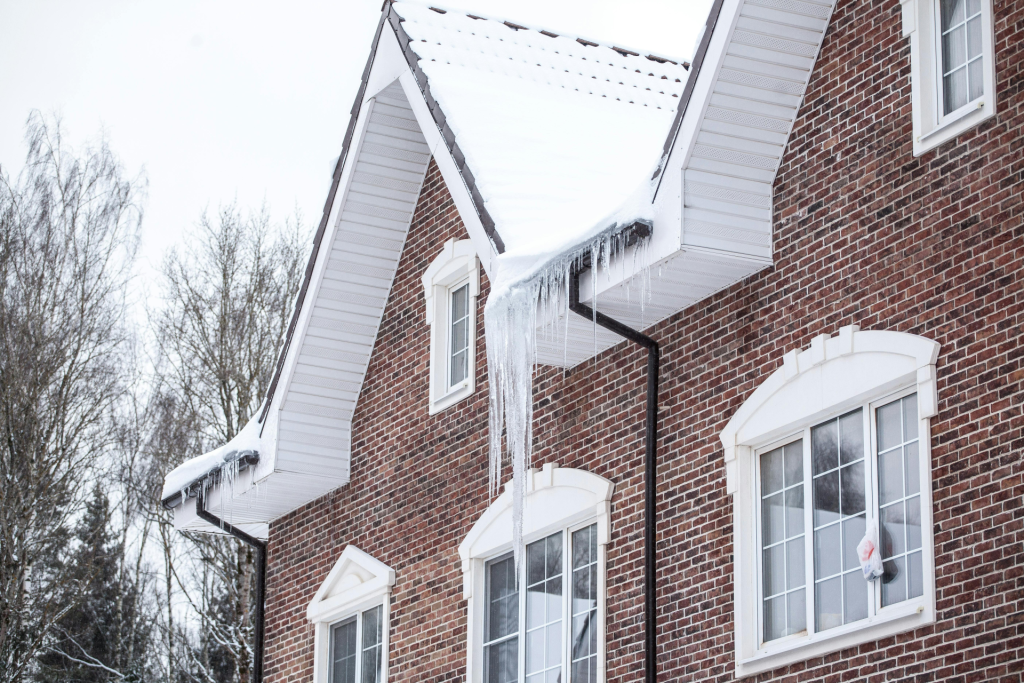
Why Ice Dams Are So Common in Vermont
Vermont’s winters are especially tough because of:
- Consistent snow accumulation
- Deep cold snaps followed by brief warmups
- High snow loads on roofs
- Long heating seasons
Here’s how ice dams form in our climate:
- Heat escapes into the attic due to poor insulation or air leaks.
- The roof surface warms slightly, melting the snow above it.
- Meltwater runs down toward the colder roof edges.
- It refreezes at the eaves, forming a ridge of ice.
- Water backs up behind the ridge and can seep under shingles.
With Vermont’s heavy snowpack, this cycle can repeat for months — building thick ice dams that cause interior leaks, damaged ceilings, mold, and even structural issues.

Icicles: A Vermont Winter Warning Sign
Large icicles are often the first visible clue. In Vermont, they can grow several feet long because:
- Snow sits on the roof for extended periods.
- Attic heat loss is constant during long heating seasons.
- Cold eaves freeze runoff quickly.
If you see big icicles forming repeatedly, your attic is likely warmer than it should be.
The Real Fix: Insulation + Air Sealing
Knocking down icicles or steaming off ice dams only solves the symptom. To stop the problem long-term, Vermont homes need proper insulation and air sealing designed for northern climates.
Step 1: Air Seal the Attic
Before adding insulation, seal all air leaks. In older Vermont homes especially, warm air commonly escapes through:

- Attic hatches
- Plumbing stacks
- Chimney chases
- Recessed lighting
- Electrical penetrations
Stopping air leakage is critical. Spray foam is very effective at air sealing in attics because it adheres well to existing surfaces and odd shapes. Without air sealing, even thick insulation won’t perform properly.
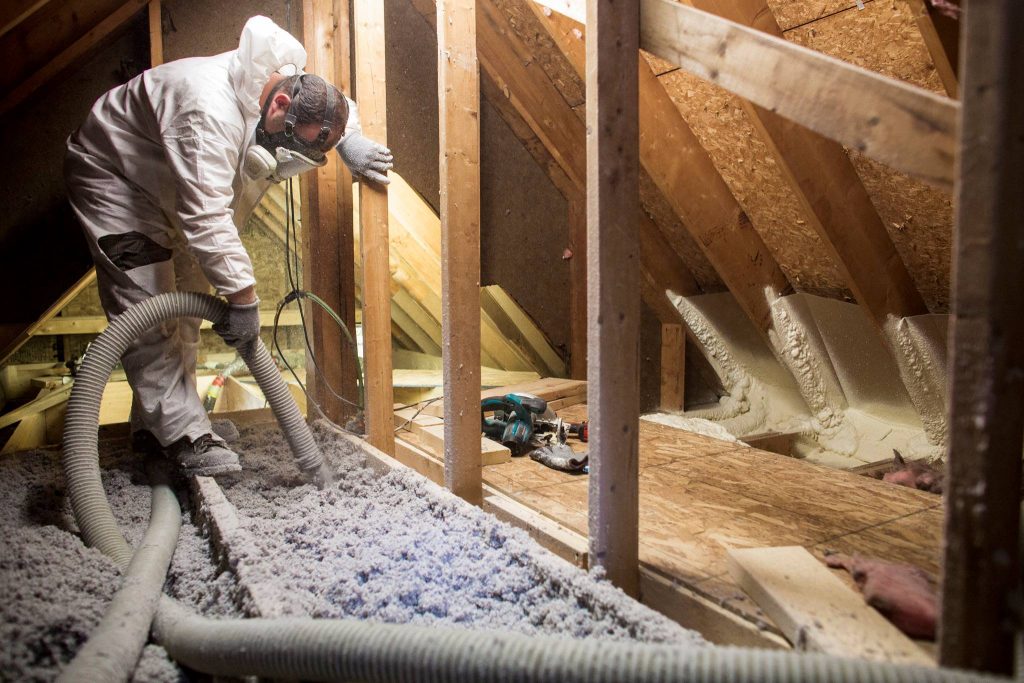
Step 2: Increase Attic Insulation
Because Vermont experiences extreme cold, homes often need higher insulation levels than older building standards required.
Modern recommendations for cold climates like Vermont often call for attic insulation levels around R-49 to R-60.
Adding blown-in cellulose insulation helps:
- Keep attic temperatures close to outdoor temperatures
- Reduce snow melt on the roof
- Lower heating costs during long winters
- Improve overall home comfort
Step 3: Ensure Proper Ventilation
Proper ventilation keeps the attic cold in winter and helps remove moisture that ends up there.
A balanced system includes:
- Soffit vents (intake)
- Ridge vents (exhaust)
Gable vents are often the only option in older homes with no provision for soffit venting.
Why This Matters More in Vermont
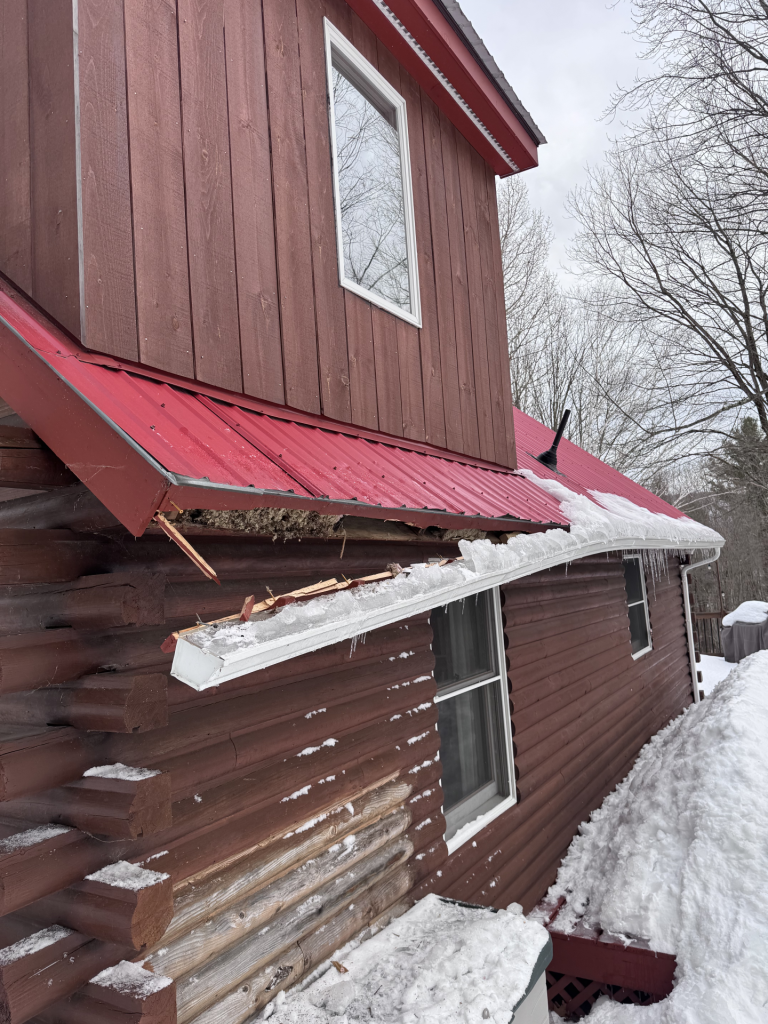
In milder states, ice dams may form occasionally. In Vermont, they can form every winter — and grow severe enough to:
- Tear off gutters
- Cause interior water damage
- Create hazardous falling ice
- Increase heating bills dramatically
Given Vermont’s long winter season, insulation upgrades often pay for themselves quickly through energy savings alone.

Temporary Fixes vs. Permanent Solutions
Temporary:
- Roof raking after storms
- Heating cables
- Ice removal services
Permanent:
- Air sealing
- Adequate attic insulation
- Proper ventilation
The goal isn’t just removing ice — it’s preventing heat loss.
Final Thoughts
Has this long, cold and snowy Vermont winter revealed any issues with your home? In Vermont, icicles aren’t just decorative — they’re diagnostic.
If your home regularly develops ice dams, it’s likely telling you that warm air is escaping into the attic.
Building Energy is here to help!